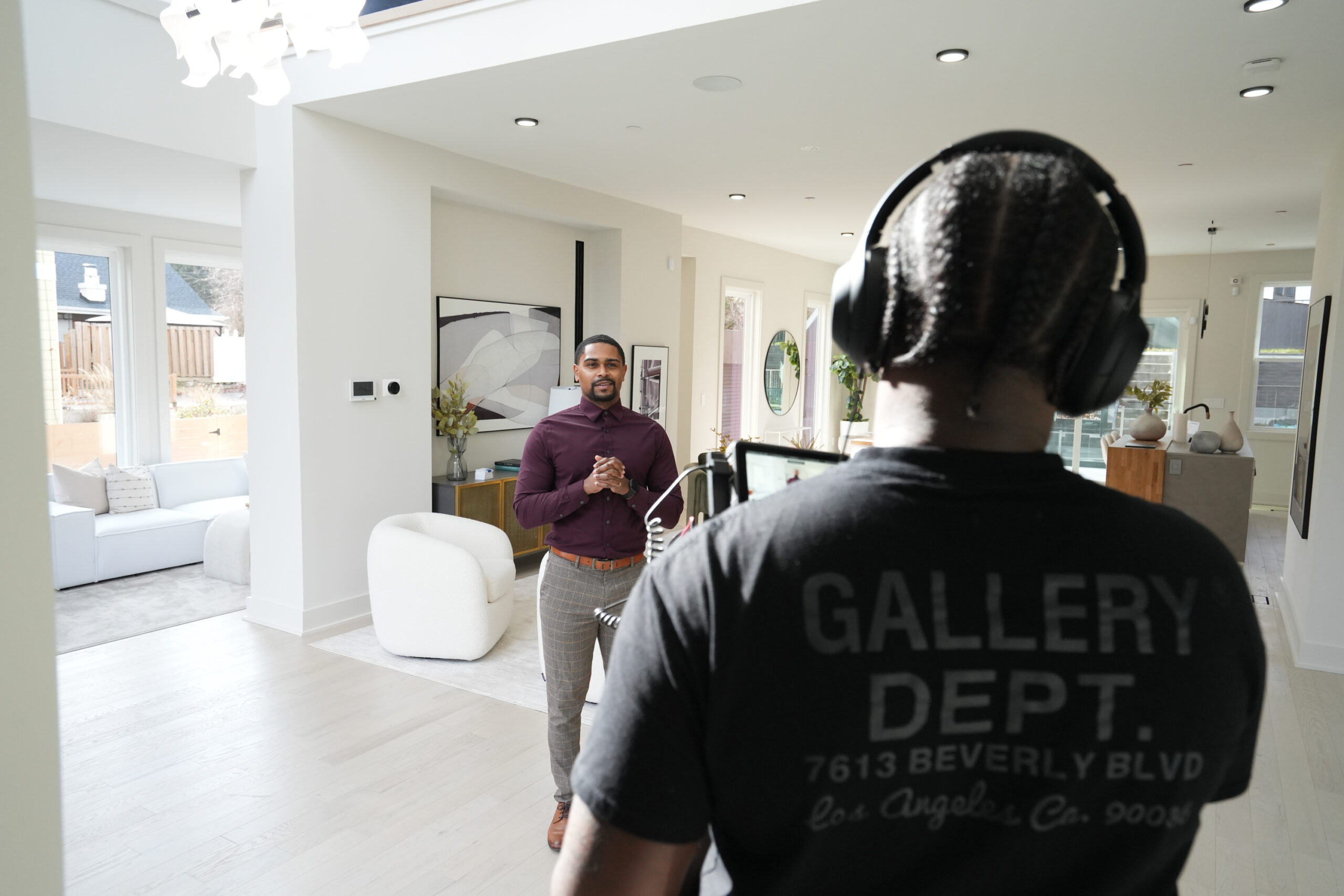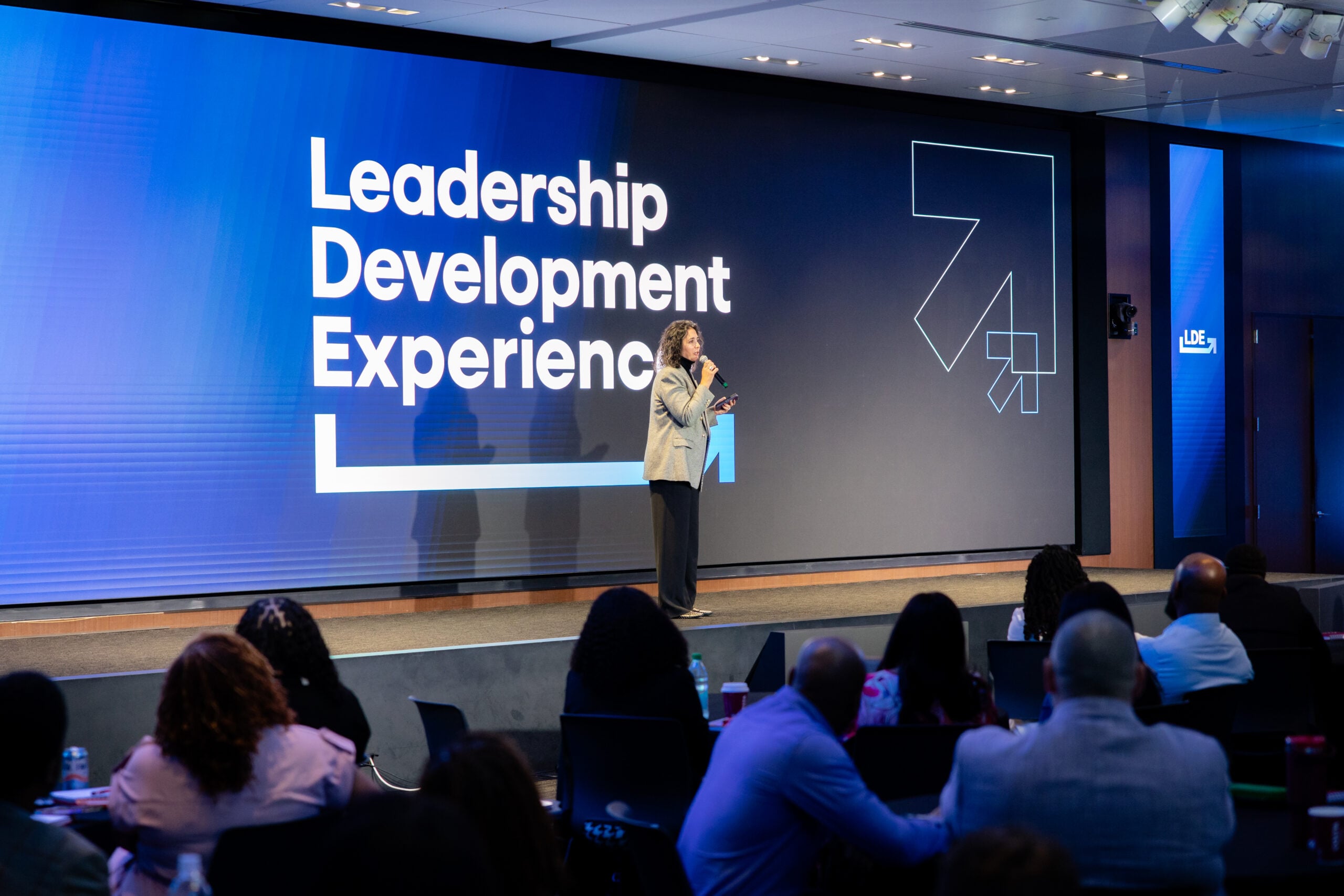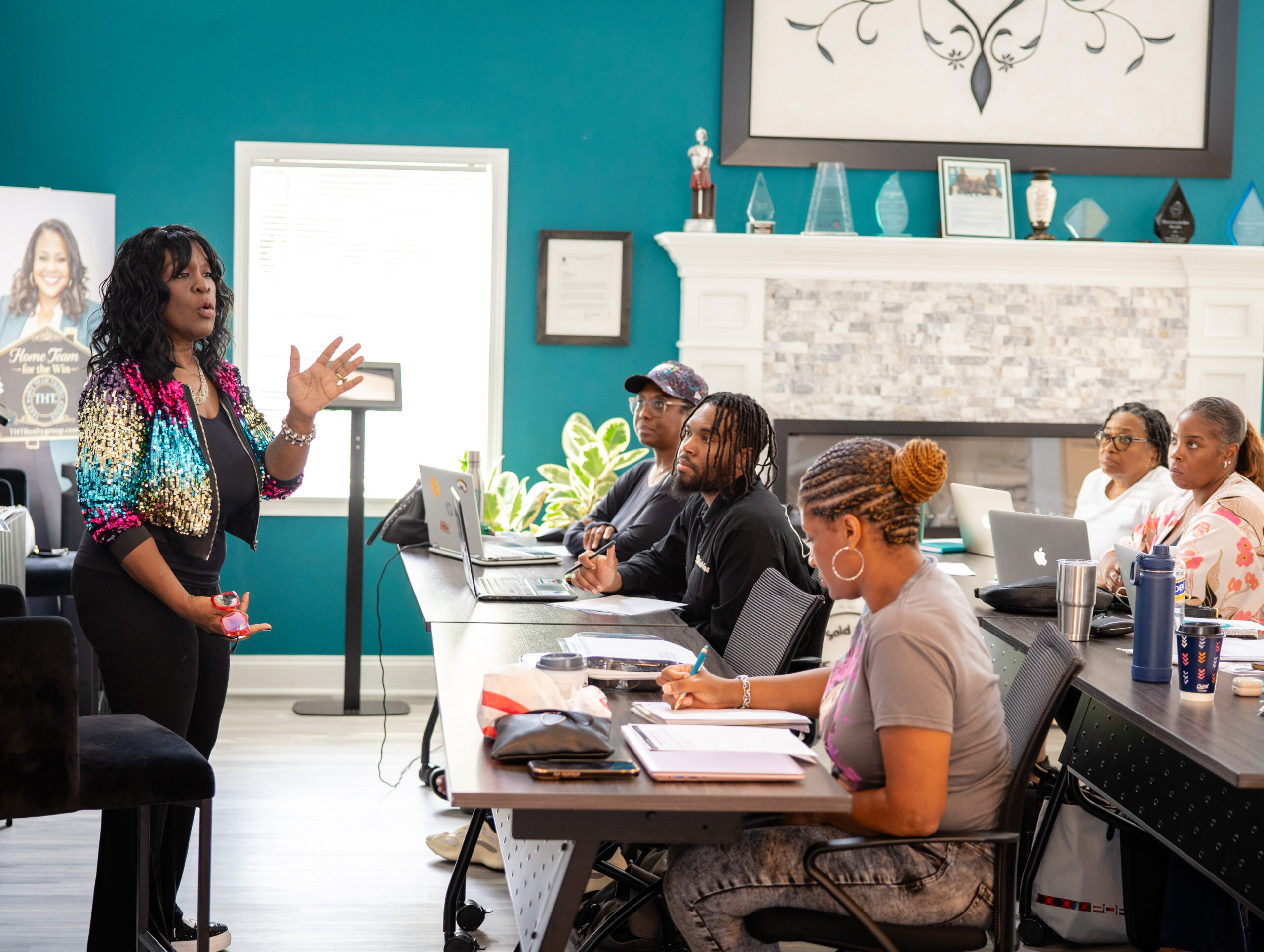
The tension in short-form video is that structure improves clarity but scripts kill authenticity. A completely improvised video almost always rambles, repeats itself, or buries the useful content under filler. A heavily scripted video sounds like it is being read, which makes the viewer disengage even when the content is strong.
The solution is not to avoid scripting. It is to script in a way that gives you structure without requiring performance. This post explains how to write a 60-second video script that keeps the message clear and the delivery natural.
https://ankrahstudios.com/services/social-media-content/
Why Most Scripts Sound Scripted
Scripts sound scripted when they are written in formal language that nobody actually speaks. Sentences that are grammatically perfect but conversationally awkward. Transitions that exist for the structure of the script but would never appear in a real conversation. Vocabulary that is chosen for precision but sounds stiff when spoken out loud.
The other reason scripts sound scripted is delivery. When someone is reading a script word-for-word from a teleprompter or memorizing lines, the cadence flattens. Pauses disappear. Emphasis lands in the wrong places. The content might be strong, but the performance signals that it is being performed, and the viewer stops trusting it.
The Structure That Works for 60-Second Scripts
Hook: two to five seconds
The opening line needs to stop the scroll. A question the viewer is already asking, a surprising claim, or a direct statement of a problem they recognize. The hook does not need to be clever. It needs to be immediately relevant.
Example: ‘Most businesses waste half their video budget on content nobody watches.’ That line is direct, specific, and creates immediate relevance for the target audience. It does not try to be clever. It just states a problem the viewer likely believes is true.
Body: 40 to 50 seconds
The middle section delivers the value the hook promised. If the hook was a problem, the body is the solution or the first step toward it. If the hook was a claim, the body is the proof or the explanation. The body should be structured in short, discrete chunks: three main points, three steps, or three examples. That structure makes the content easy to follow and gives the editor natural places to cut.
Close: five to ten seconds
The closing line reinforces the takeaway and tells the viewer what to do next if they want more. A 60-second video does not need a hard CTA. It needs a clear endpoint that makes the viewer feel like they got something useful. The CTA can be as simple as ‘follow for more like this’ or ‘send this to someone who needs to hear it.’
How to Write a Script That Sounds Like a Real Person
Write the way you talk, not the way you write
Read the script out loud as you write it. If a sentence feels awkward to say, it will sound awkward on camera. Contractions, sentence fragments, and casual phrasing are not grammar errors in a video script. They are how people actually talk. Use them.
Use shorter sentences
Long, complex sentences work in written content. They do not work in spoken content. Short sentences are easier to deliver naturally, easier for the viewer to follow, and easier to edit tightly. If a sentence runs more than 15 words, break it into two sentences.
Repeat yourself intentionally
In written content, repetition is a flaw. In spoken content, repetition is clarity. Restating the main point in slightly different words helps the message land for viewers who are watching while distracted or scrolling. A 60-second video can say the same thing twice if it does it intentionally.
The Delivery Method That Keeps It Feeling Natural
Do not memorize the script word-for-word
Memorization produces stiff delivery. Instead of memorizing, internalize the structure. Know the three main points. Know the opening and closing lines. Then deliver the middle section conversationally based on those points rather than trying to recite exact sentences.
Use bullet points, not a full script, on shoot day
If you bring a full script to camera, you will be tempted to read it. Bring bullet points instead. The opening hook, the three main points, the close. That structure gives you enough to stay on track without locking you into specific phrasing that might not feel natural when you are speaking.
Record multiple takes and choose the best one
The first take is rarely the best take. Record three to five versions of the same script, varying the phrasing and delivery slightly in each. The editor can pull the strongest moments from each take to assemble the final cut. That approach produces a more natural result than trying to nail one perfect take.
Common Scripting Mistakes That Kill Authenticity
Starting with ‘Hi, I’m [name]’ in every video
The opening seconds are too valuable to waste on an introduction that does not add value. If your audience already knows who you are, skip the introduction and go straight to the hook. If they do not know who you are, your name will not make them care. The content will.
Explaining the setup or apologizing for production quality
Lines like ‘sorry for the lighting’ or ‘I am filming this quickly between meetings’ undermine the content before it starts. The viewer does not need to know why the production is not perfect. They need the value you promised in the hook. Skip the preamble and deliver the content.
Ending with ‘let me know what you think in the comments’
Generic engagement prompts feel like filler. If the content is strong, engagement will happen organically. If the content is weak, asking for engagement will not fix it. End with a clear takeaway or a specific next step, not a vague request for comments.
A Simple 60-Second Script Template You Can Use
Here is a basic template that works for most educational or perspective-driven short-form content:
Hook (five seconds): State the problem, surprising claim, or question. Body point one (15 seconds): The first insight, step, or piece of evidence. Body point two (15 seconds): The second insight, step, or piece of evidence. Body point three (15 seconds): The third insight, step, or piece of evidence. Close (ten seconds): Restate the main takeaway and tell the viewer what to do next.
That structure works for explaining a process, sharing a perspective, or teaching a concept. The content changes but the structure stays consistent.
Ready to Build Short-Form Video That Actually Performs?
At Ankrah Studios, we help organizations in Washington DC, Northern Virginia, and Maryland script and produce short-form video content that feels natural and delivers real business value. If you want to start creating content that works, start here: