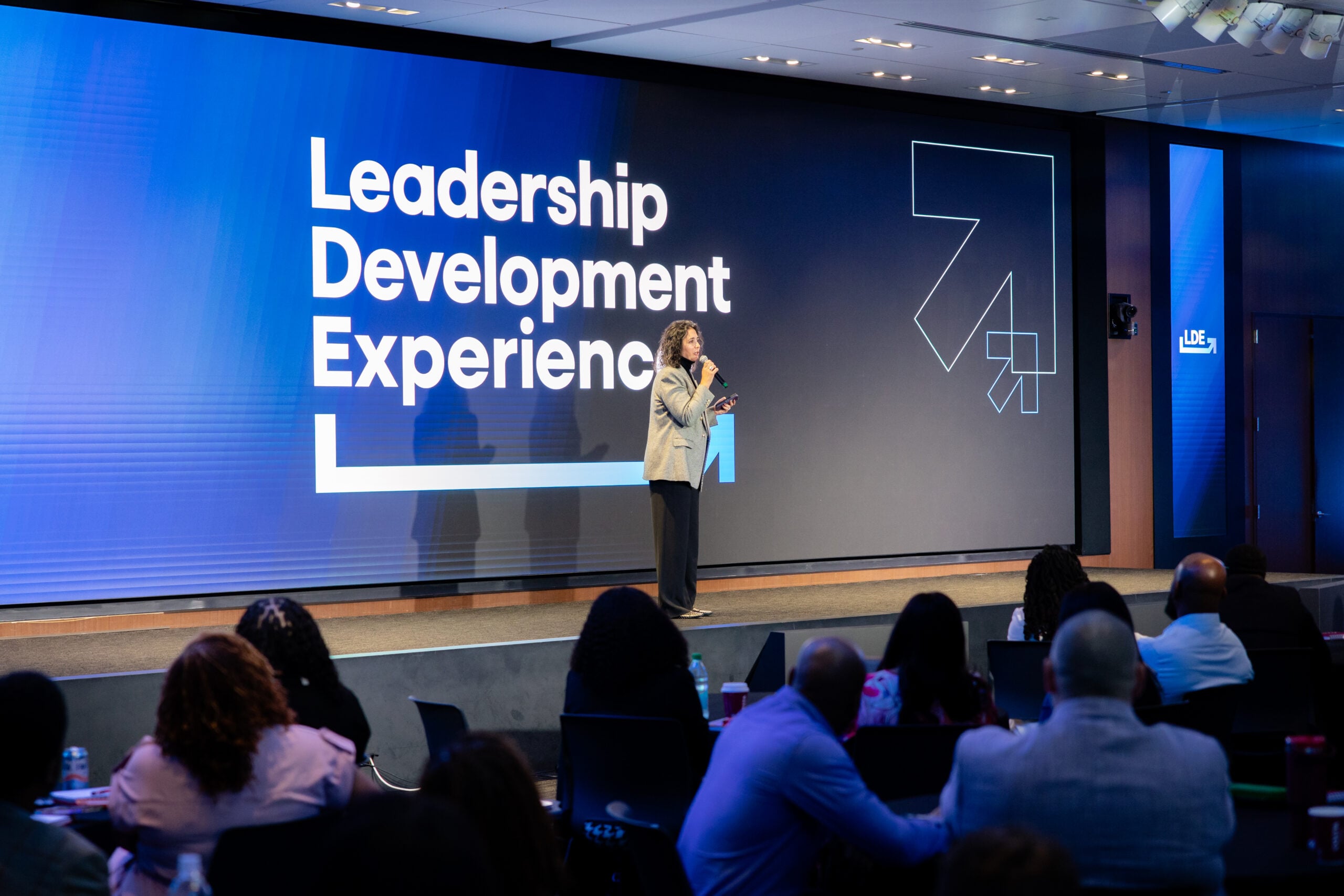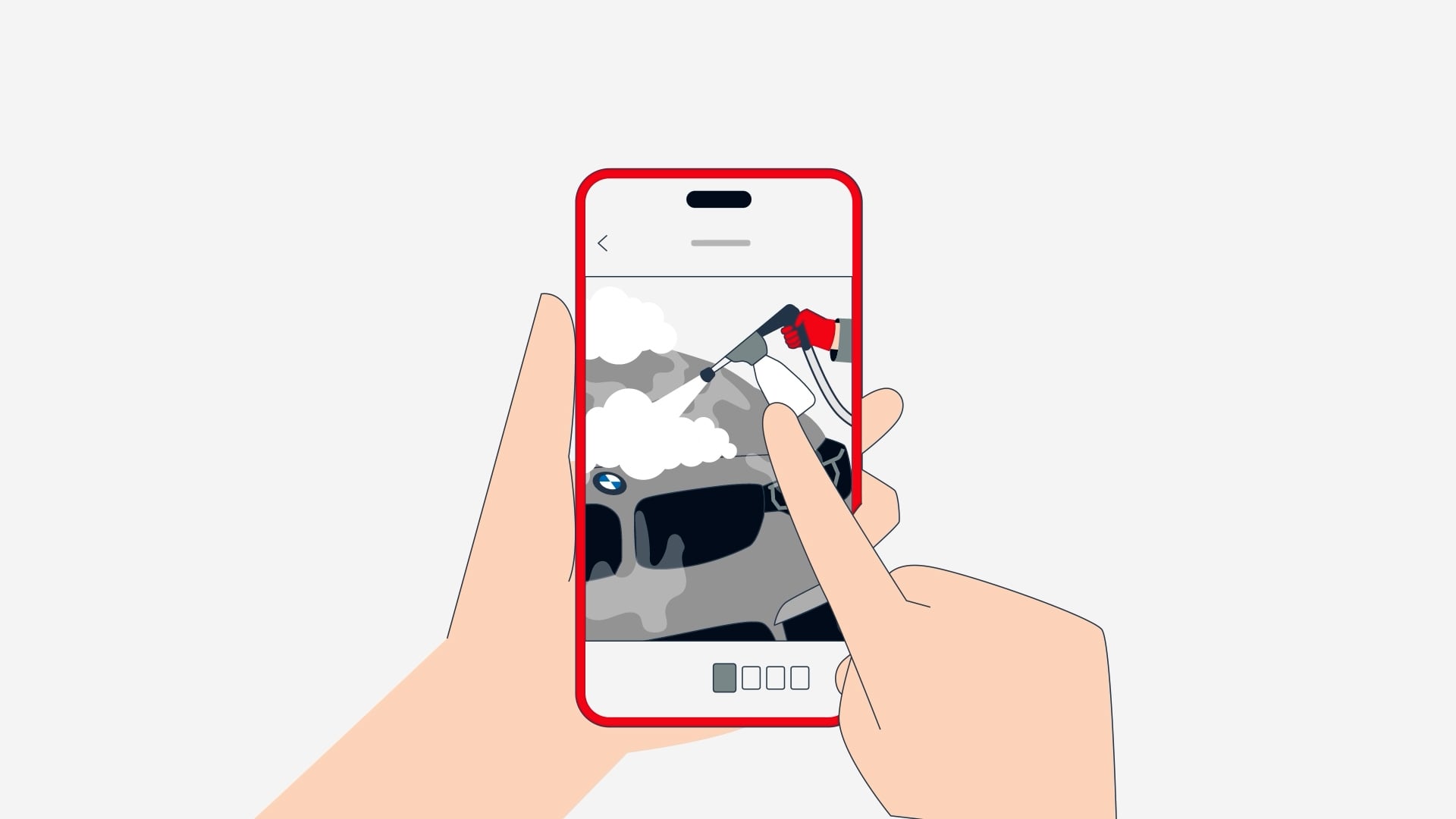
The question of whether animated explainer videos or live-action videos convert better does not have a universal answer because the two formats solve different problems. Animation works when the concept is abstract, complex, or benefits from simplification. Live-action works when trust, credibility, and human connection are the primary conversion barriers.
For businesses in Washington DC and Northern Virginia deciding between the two formats, the right choice depends on what you are selling, who you are selling to, and what specific objection the video needs to overcome. This post breaks down when each format performs better and how to make the call for your specific situation.
https://ankrahstudios.com/services/corporate-marketing-videos/
When Animation Outperforms Live-Action
The product or service is abstract or technical
If you are explaining a software platform, a complex process, or a service that does not have a clear physical representation, animation often communicates the concept more clearly than live-action ever could. Animation lets you visualize workflows, data flows, and abstract concepts in ways that are difficult or impossible to film.
The audience is global or diverse
Animation is culturally neutral in ways that live-action is not. A diverse global audience responds to animation without the friction that can come from accents, regional references, or cultural assumptions embedded in live-action footage. For SaaS companies, tech platforms, and organizations selling into international markets, animation removes those barriers.
You need flexibility to update the content frequently
If your product, pricing, or messaging changes every six months, animation is easier and less expensive to update than live-action. Changing a line of narration and updating a few frames in an animated video is far simpler than reshooting live-action footage every time something changes.
When Live-Action Outperforms Animation
Trust and credibility are the conversion barriers
For professional services, consulting, B2B services, and high-ticket offers where the buyer is ultimately buying confidence in a specific person or team, live-action outperforms animation every time. Seeing real people, hearing real voices, and watching real work happen builds trust in ways that animation cannot replicate.
The offer requires emotional connection
Human faces and real environments create emotional resonance that animation struggles to match. A nonprofit explaining the impact of their work, a healthcare organization building trust with patients, or a service business trying to convey empathy and care: these are contexts where live-action is the stronger format.
You are targeting a skeptical or traditional audience
Some industries and audiences are skeptical of animation because it signals that the organization is hiding something or that the product is not real. Legal services, financial services, and government contracting in the DC area often respond better to live-action because the audience expects to see real people taking real accountability.
The Cost Difference Between Animation and Live-Action
Animation is often assumed to be cheaper than live-action. That assumption is not universally true. Simple 2D animated explainer videos with stock assets and voiceover can be less expensive than live-action shoots with crew, talent, and location logistics. Custom illustration, complex motion graphics, and high-end 3D animation can cost significantly more than live-action.
As a baseline, a simple 60 to 90 second animated explainer video typically runs $3,000 to $8,000+ depending on the style and complexity. A comparable live-action explainer with one or two on-camera speakers and clean b-roll typically runs $3,500 to $7,000+ depending on the production requirements. The costs are similar enough that budget alone rarely determines the decision.
The Hybrid Approach That Often Works Best
Many of the most effective explainer videos use a hybrid approach: live-action for the human elements and animation for the abstract concepts. A founder or team member on camera introduces the problem and builds trust. Animated sequences explain the technical process or visualize the solution. The combination leverages the strengths of both formats.
This approach works particularly well for B2B SaaS companies, consulting firms explaining complex methodologies, and service businesses where the relationship matters but the process also needs to be visualized. The hybrid format is more complex to produce, but it consistently outperforms pure animation or pure live-action for these use cases.
How Long Each Format Should Run
Animated explainer videos
Sixty to 120 seconds is the ideal range for most animated explainers. Shorter than that and you do not have enough time to explain anything complex. Longer than that and you test the attention span of viewers who are deciding whether to engage. Animation can hold attention slightly longer than live-action for purely educational content, but two minutes is still the practical ceiling.
Live-action explainer videos
Ninety seconds to three minutes is the working range for live-action explainers. Live-action benefits from slightly longer formats because the human presence holds attention and builds trust over time in ways that animation does not. A three-minute live-action brand story can work. A three-minute animated explainer rarely does.
What to Avoid in Both Formats
In animation: overdesign
The most common mistake in animated explainer videos is overcomplicating the design. Complex illustrations, excessive motion, and too many visual elements on screen at once create confusion rather than clarity. The best animated explainers are visually simple, with clean lines, minimal color palettes, and motion that supports the message rather than distracting from it.
In live-action: generic stock footage
The fastest way to make a live-action explainer feel cheap is to rely on generic stock footage. A live-action explainer that shows real people, real environments, and real work happening feels credible. An explainer that cuts to stock footage of people in business attire shaking hands or typing on laptops feels like every other corporate video and undermines trust.
[Internal link once live: Week 20, “B-Roll That Makes Brand Videos Look Expensive: A Shot List”]
How to Decide for Your Specific Situation
Choose animation if:
Your product or service is abstract, technical, or benefits from visualization. Your audience is global or diverse. Your messaging or product features change frequently and you need flexibility to update. Budget is limited and a simple 2D animated explainer is enough to communicate the concept.
Choose live-action if:
Trust and credibility are the primary conversion barriers. The buyer is ultimately buying confidence in a person or team. Your audience is traditional or skeptical and expects to see real people. Emotional connection is part of how the offer converts.
Choose hybrid if:
You need both the human trust-building of live-action and the conceptual clarity of animation. Your service has both a relational component and a technical process that needs to be visualized. Budget allows for a more complex production and the ROI justifies it.
Ready to Build an Explainer That Actually Converts?
At Ankrah Studios, we help businesses in Washington DC, Northern Virginia, and Maryland decide the right format for their explainer videos before production begins. If you want to scope your project, start here: