The difference between an event recap that feels professional and one that feels like documentation is not budget. It is intentionality. A high-end event recap video is built from specific shots captured with purpose, not hours of coverage hoping something useful appears in the edit.
For event planners and organizations in Washington DC, Maryland, and Northern Virginia, this post breaks down exactly what to film to make your event recap feel premium. The footage categories that consistently produce polished results, the moments that make events look bigger and more significant than they were, and the coverage mistakes that undermine quality no matter how much you spend.
https://ankrahstudios.com/services/event-video-coverage/
The Establishing Shots That Set the Tone
Venue exterior and signage
The opening shot of an event recap should establish where the event happened and give the viewer a sense of scale. A clean exterior shot of the venue, ideally with recognizable DC landmarks or architecture in frame, signals that this is a significant event in a significant location. Signage with the event name visible reinforces branding and makes the recap feel official.
Empty room before doors open
A shot of the venue fully set up but empty creates anticipation. Tables arranged, lighting dialed in, stage ready. This shot communicates preparation and professionalism. It also gives the editor a clean visual to contrast against the energy of the event once attendees arrive.
Doors opening and first arrivals
The moment attendees start entering the space marks the transition from setup to event. Capturing this gives the editor a natural narrative beat and signals to the viewer that what follows is the actual event, not just b-roll of an empty room.
The Human Moments That Make Events Feel Alive
Genuine interactions and conversations
The footage that makes event recaps feel real is candid moments of people genuinely engaged. Two attendees deep in conversation. Someone laughing at something a speaker said. A group huddled around a sponsor booth having a real exchange. These moments cannot be staged. They have to be captured as they happen, which means the videographer needs to be moving through the space looking for them rather than staying in one spot.
Reactions during keynotes and presentations
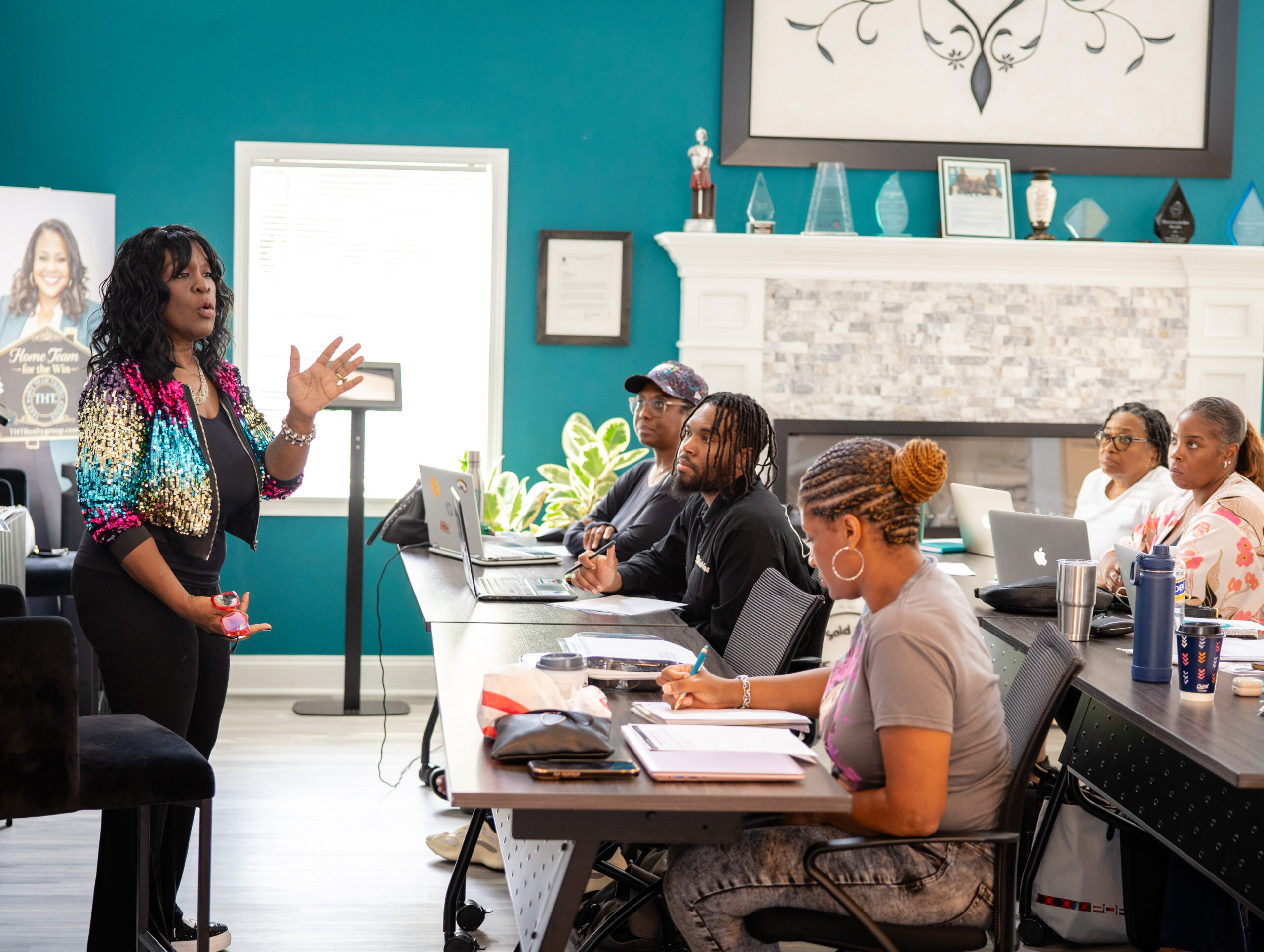
Audience reactions are what make speaker content feel significant. A tight shot of someone nodding in agreement, taking notes, or visibly engaged with what they are hearing gives the editor material to cut between the speaker and the audience. That interplay makes the presentation feel like a shared experience rather than a monologue.
Networking and side conversations
Networking is often the most valuable part of an event for attendees, and it should be reflected in the recap. Wide shots showing the room full of people in conversation, closer shots of handshakes and introductions, and moments where connections are clearly being made all communicate that the event delivered on its promise.
The Coverage That Makes Sponsors and Partners Feel Valued
Sponsor booths and activations
If sponsors paid to be at the event, they should appear in the recap. Clean shots of sponsor booths with branding visible, footage of attendees interacting with sponsor activations, and moments where sponsor representatives are engaging with the audience all reinforce the value of sponsorship and make future sponsor recruitment easier.
Partner acknowledgments and recognition moments
If partners or key contributors are recognized during the event, those moments should be captured. A speaker thanking a sponsor from the stage, a partner being introduced to the audience, or a moment where collaboration is highlighted: these are the shots that make partners feel seen and valued.
The Speaker and Stage Coverage That Holds Attention
Strong opening lines and key soundbites
Not every word of every presentation needs to be in the recap. What matters are the moments that land: a speaker making a bold claim, delivering a surprising statistic, or saying something that gets a visible reaction from the audience. These soundbites are what the editor will build the recap around, so capturing them cleanly is essential.
Wide shots that show room scale
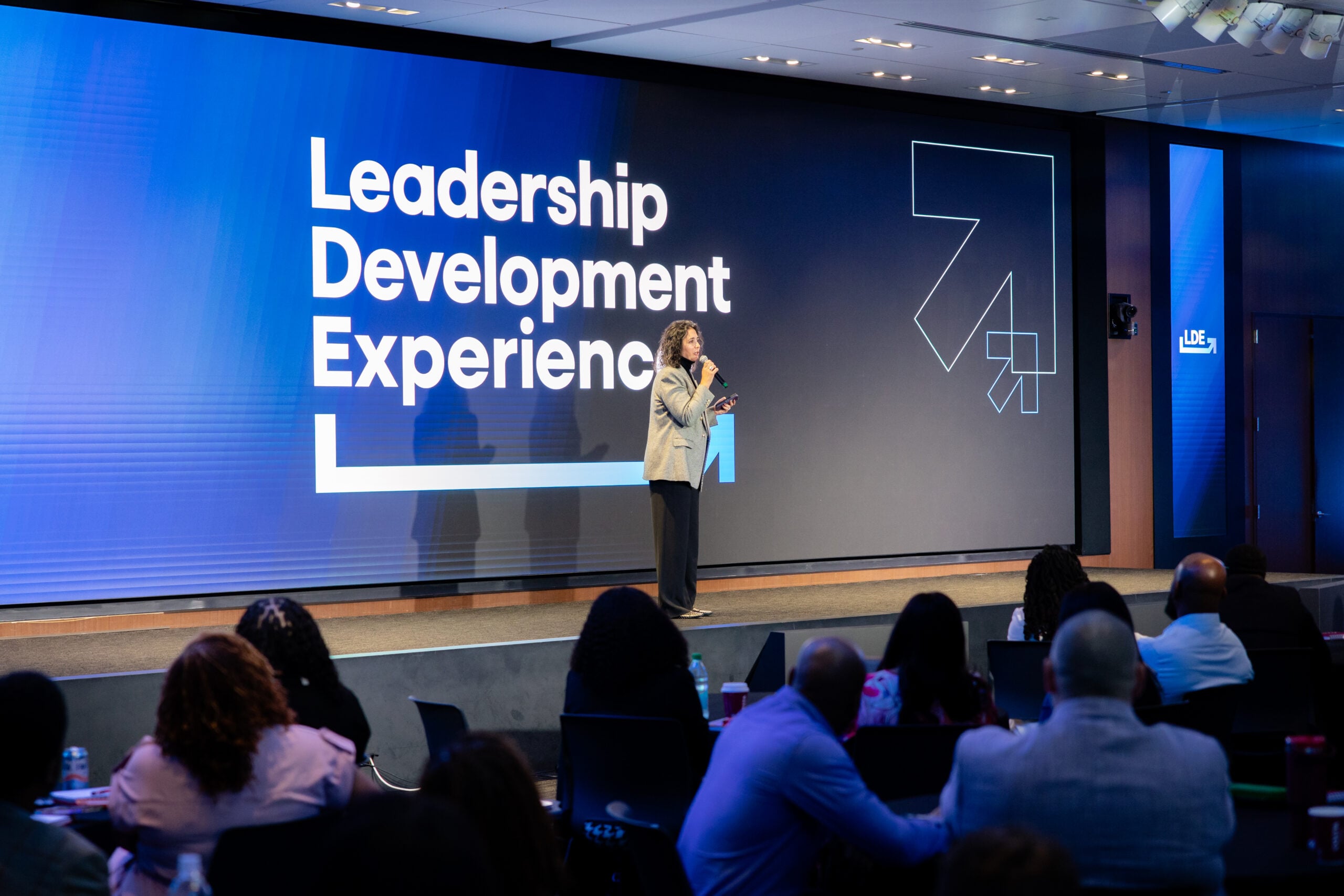
A tight shot of a speaker is useful for highlighting their message. A wide shot of the speaker with a packed room visible behind them is what makes the event look significant. Both are necessary. The tight shot delivers the content. The wide shot delivers the credibility.
B-roll of slides and visual aids
If a speaker is presenting data, charts, or visual content that supports their argument, capturing those slides adds context to the recap and makes the presentation easier to follow in the edit. A dedicated camera on the screen or a direct feed from the presentation laptop is the cleanest way to get this footage.
The Detail Shots That Make Production Feel Intentional
Event branding and design elements
Close shots of printed materials, table settings, branded elements, and event design details make the recap feel curated rather than generic. These shots take seconds to capture but they add visual variety and reinforce the professionalism of the event production.
Food and beverage service
If the event includes catering, capturing a few clean shots of the food presentation, bar service, or dining setup adds another layer of professionalism to the recap. These are not the focus of the video, but they fill visual gaps in the edit and communicate that the event was well-executed.
Awards, recognition, or special moments
If the event includes awards, recognitions, or surprise moments, those are almost always the emotional high points of the recap. A winner reacting to an award, a team being recognized on stage, or a surprise guest appearance: these moments make the recap memorable and shareable.
What to Avoid Because It Makes Event Recaps Look Amateur
Too many wide static shots with no movement
A wide shot of a room full of people is useful for establishing scale. Five wide shots of the same room from slightly different angles adds nothing. Event recaps need visual variety. Static wide shots should be used sparingly and mixed with movement, close-ups, and dynamic angles.
Shaky handheld footage without intention
Handheld footage can feel dynamic and energetic when it is used intentionally. Shaky, unstabilized footage that was clearly rushed feels amateurish. If the videographer is shooting handheld, the movement should be smooth and purposeful, not chaotic.
Generic crowd shots with no clear subject
A shot of a crowd with no clear focal point does not add value to the recap. Every shot should have a reason to exist. A crowd shot that shows scale, energy, or a specific interaction works. A crowd shot that just shows people standing around does not.
How to Brief Your Videographer Before the Event
The single most important thing an event planner can do to ensure high-quality recap footage is to brief the videographer before the event starts. Share the run of show, identify the priority moments, point out sponsors and partners who need to be featured, and explain what the recap will be used for after the event.
A videographer who understands the goals and priorities will capture more useful footage than a videographer who is just documenting chronologically. That brief should happen at least a week before the event, not the morning of.
Ready to Plan Event Coverage That Feels Premium?
At Ankrah Studios, we cover events across Washington DC, Maryland, and Northern Virginia with shot lists that match the deliverable goals. If you have an event coming up and want coverage that feels intentional, start here: