The person speaking in your brand story is not a casting decision. It is a strategic one. Different voices carry different kinds of authority, and choosing the wrong one changes how the message is received by the specific audience you are trying to reach.
For businesses in Washington DC and Northern Virginia building a brand story for the first time, this question comes up early and it matters more than most teams realize. The right voice makes the story feel credible and authentic. The wrong voice makes it feel managed or disconnected, even when the content itself is strong. This post gives you a clear way to make the call.
https://ankrahstudios.com/services/brand-story-films/
Why the Founder or CEO Is Often the Right Call
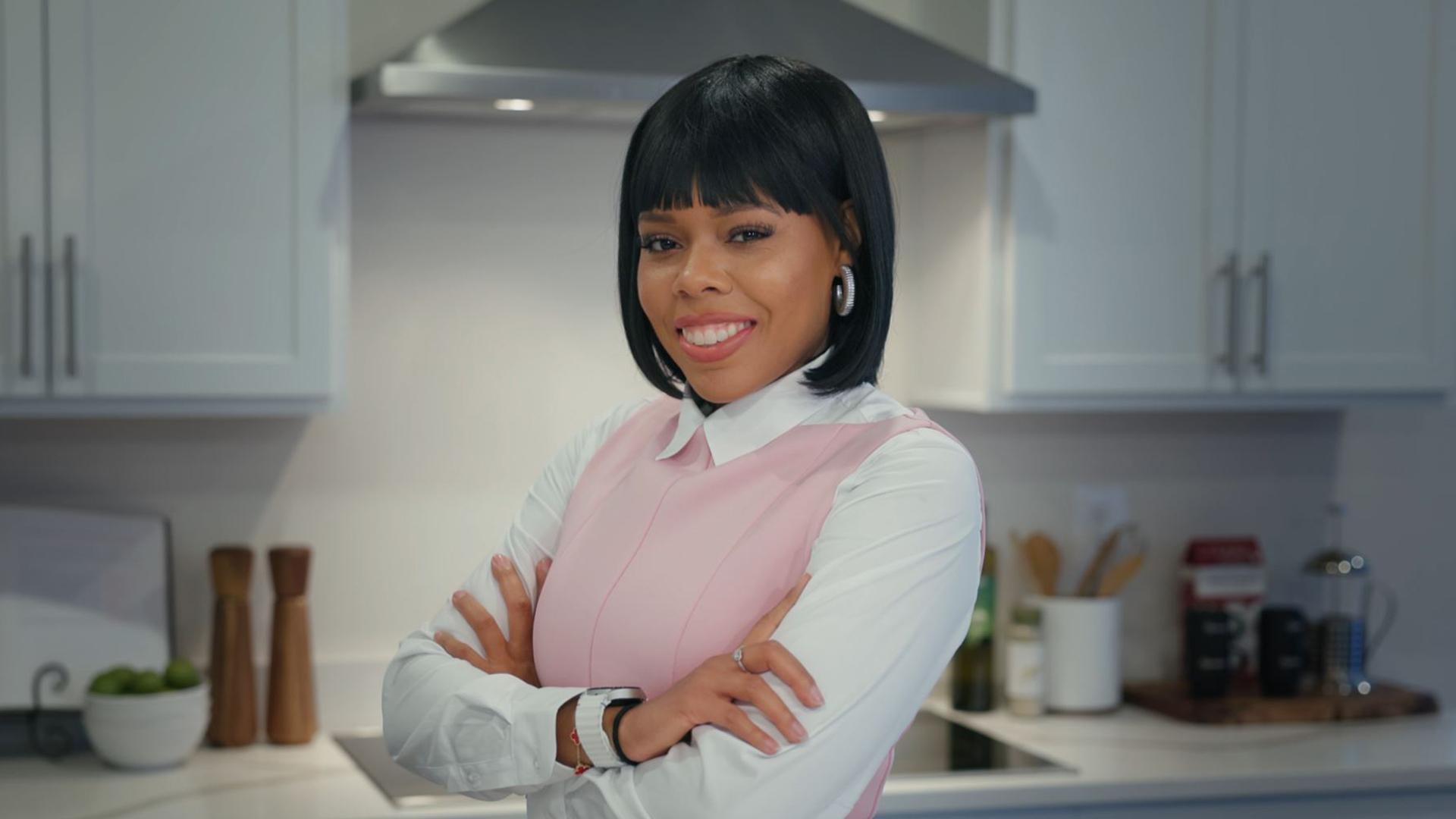
A founder or CEO carries weight that no other voice in the organization can replicate. When the person who built the business or leads it explains what the company does and why it exists, the message carries personal accountability in a way that marketing language never can.
This is especially true for service businesses, consulting practices, professional services firms, and organizations in the DC area where relationships and trust drive deals. A prospective client who watches a brand story with the founder speaking directly is entering the sales process with a fundamentally different level of trust than someone who watched a video narrated by a marketing department.
The objection that comes up most often: the founder is not comfortable on camera. That is a valid concern, but it is almost always a preparation and coaching issue rather than a fundamental limitation. Most founders who feel uncomfortable on camera have been handed a script they are expected to memorize or asked to perform rather than talk. Good on-camera coaching solves that, and the result is almost always more authentic than any alternative voice would have been.
When a Team Member Is the Stronger Choice
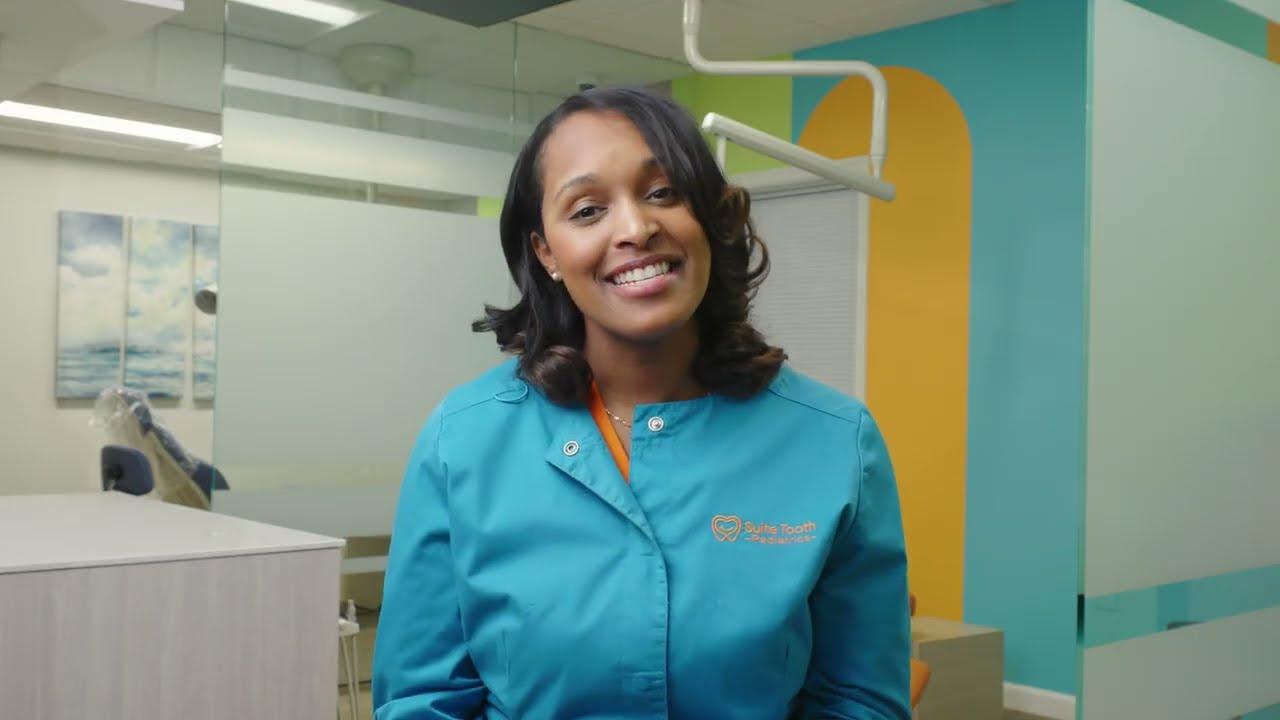
A team member is the right main voice when the story is about the work itself rather than the vision behind it, or when the founder is genuinely not the right representative of the organization’s day-to-day reality.
For technical organizations, a lead engineer or operations manager who can explain the work in concrete terms often communicates competence more effectively than a founder speaking in abstractions. For client-facing organizations, a senior team member who interacts with clients daily might have more credibility discussing the client experience than leadership does.
The risk with choosing a team member over the founder is that it can make the brand story feel less personal and more transactional. That trade-off is worth it when the team member’s proximity to the actual work adds authenticity that the founder’s distance would undermine. It is not worth it when the real reason is that the founder just did not want to be on camera.
When Client or Partner Voices Strengthen the Story
Client testimonials are not the same as brand stories, but integrating a client voice into a brand story can strengthen credibility in ways internal voices cannot. When a client explains what working with your organization actually looks like, the message carries social proof that no amount of internal explanation can match.
The format that works best: a brand story led by the founder or team, with one or two brief client moments woven into the narrative to validate specific claims. The client does not carry the full story. They confirm the parts of the story that a skeptical viewer would otherwise doubt.
This structure works particularly well for professional services firms, B2B organizations, and anyone selling into a market where trust and referrals drive most deals. A 30-second client testimonial moment inside a three-minute brand story often does more for conversion than a five-minute standalone testimonial video.
The Case for Multiple Voices
A brand story with multiple voices can work when those voices represent meaningfully different perspectives on the organization rather than just repeating the same message from different chairs.
The strongest multi-voice brand stories typically include the founder or CEO providing the vision and values context, a senior team member explaining the work and the process, and a client validating the outcome. That structure gives the viewer three angles on the same story, and each angle serves a purpose the others cannot.
The weakest multi-voice brand stories include four or five executives who all say variations of the same thing because they each wanted to be in the video. That structure creates redundancy without adding depth, and it makes the edit feel like a compromise rather than a narrative.
How to Decide for Your Specific Situation
Start with the founder or CEO if:
You are selling a high-trust service with a long sales cycle. The business is still closely identified with the person who built it. You want the brand story to shorten deal cycles by building personal trust early. The organization is less than ten years old and the founder is still actively involved in client relationships.
Start with a senior team member if:
The work is technical or specialized and the founder is not the person who does it. The founder is genuinely not comfortable on camera and coaching has not resolved it. The organization has grown to the point where the founder is no longer representative of day-to-day client interactions.
Include client voices if:
You are selling into a skeptical market where proof matters more than vision. Your service produces measurable, specific outcomes that clients can describe better than you can. Social proof is already a major part of how you close deals in person and you want the video to do the same work.
The Question That Clarifies the Decision
If a prospective client is going to meet with you or your team after watching this video, who do they need to hear from in order to trust that the meeting is worth their time? That question almost always resolves the decision cleanly.
If the answer is ‘they need to hear from me because I am the one they will be working with,’ the founder or CEO is the right voice. If the answer is ‘they need to see that we know what we are doing technically,’ a senior team member is the right voice. If the answer is ‘they need proof that we deliver what we claim,’ client voices are essential.
Ready to Build a Brand Story That Earns Trust?
At Ankrah Studios, we help organizations in Washington DC, Northern Virginia, and Maryland figure out the right voice and the right story structure before the camera rolls. If you want to scope your brand story project, start the conversation here: