The b-roll is where most brand videos either earn credibility or lose it. A brand story with strong interview content and generic b-roll, slow-motion coffee pours, people typing at laptops, abstract shots of hands shaking, feels like a template. A brand story with the same interview content and b-roll that shows real, specific work happening in a real environment feels like it came from an organization that knows what it is doing.
The difference is not budget. It is intentionality. This post gives you a shot list of the b-roll that consistently makes brand videos look and feel more expensive than they are, and explains why each category matters.
https://ankrahstudios.com/services/brand-story-films/
Why B-Roll Determines How Professional Your Video Feels
Viewers do not consciously evaluate b-roll, but they subconsciously judge it. Generic b-roll signals that the production team did not spend time understanding the business or that the business itself does not have anything visually interesting to show. Specific b-roll signals competence, preparation, and authenticity.
That perception affects trust. A prospective client watching a brand story with strong, specific b-roll walks away thinking: this organization knows what it is doing. A viewer watching the same brand story with stock-style generic b-roll walks away thinking: this feels like every other corporate video I have seen.
The B-Roll Categories That Make Brand Videos Look Premium
Hands in action
Hands working are one of the most universally effective b-roll categories because they communicate competence without requiring the viewer to understand the full context. A close shot of hands assembling a component, typing specific information into a system, marking up a document, or adjusting a piece of equipment: these shots feel active and purposeful.
The key is specificity. A generic shot of hands typing is forgettable. A shot of hands entering data into your specific CRM system, or marking up a contract with specific redlines, or adjusting a control on a piece of equipment only your organization uses: those shots feel real.
Team interactions and collaboration
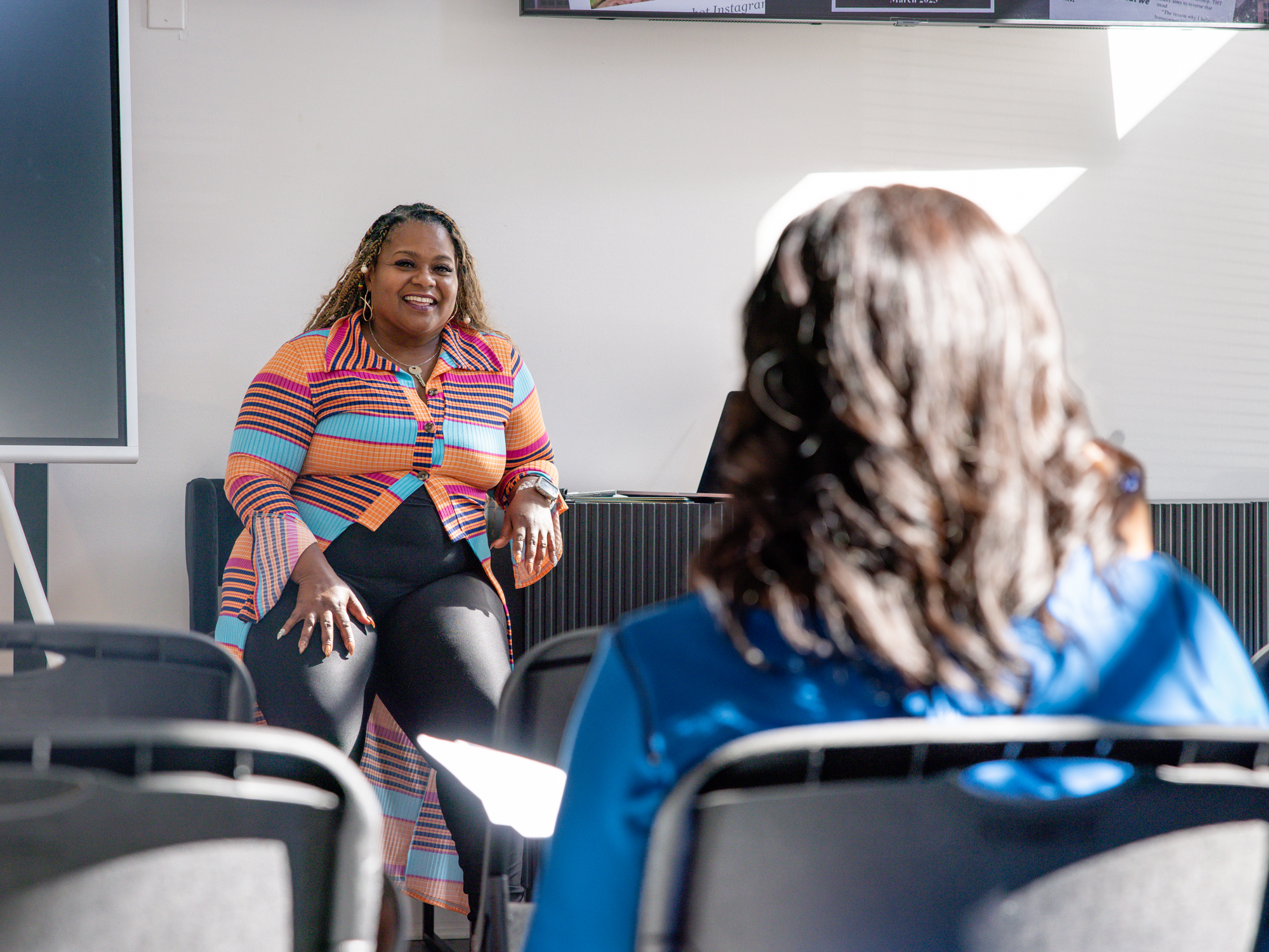
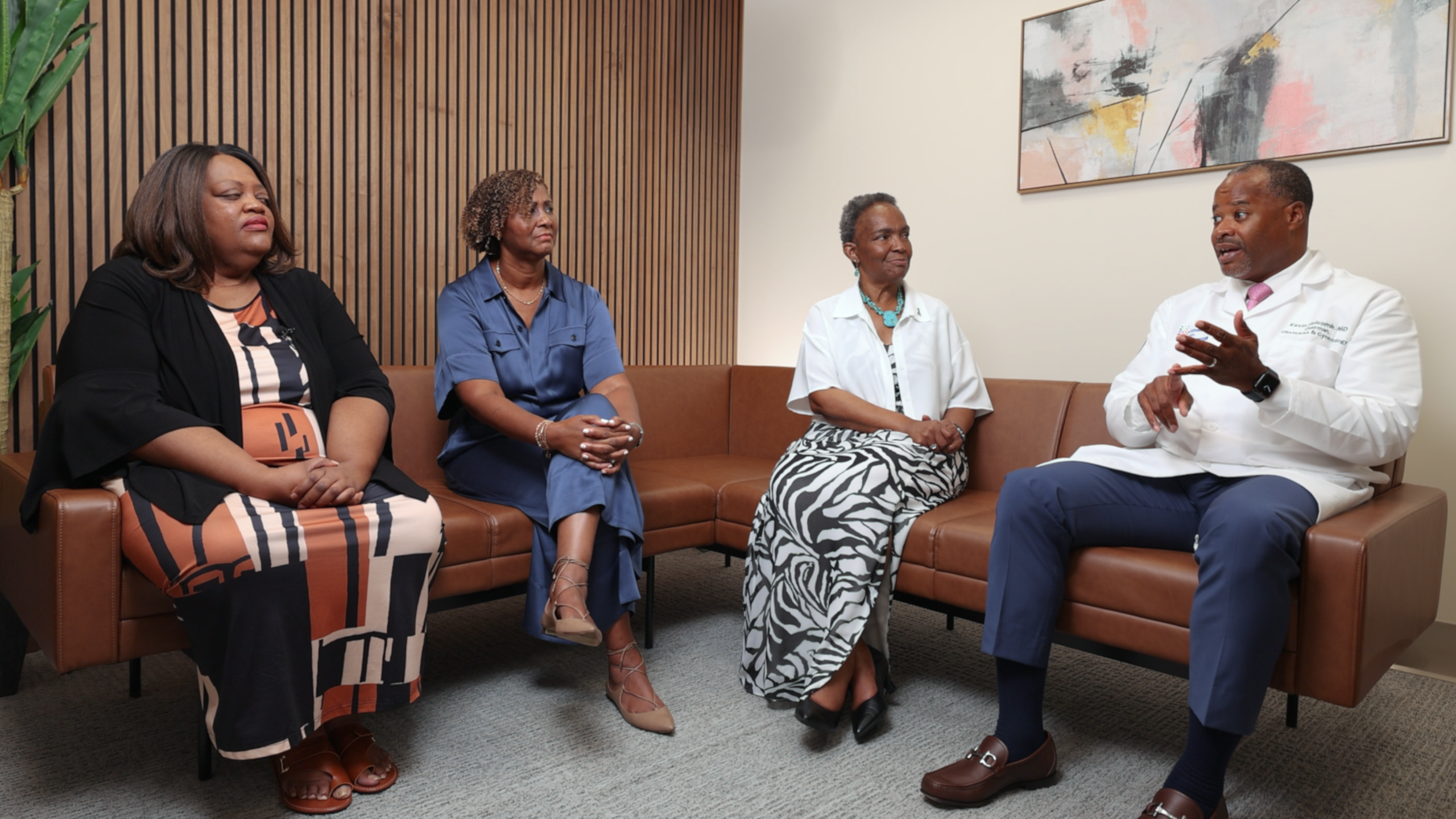
B-roll of real team members in real conversations, not posed conference room meetings, shows how the organization actually operates. A quick exchange between two people solving a problem. A team reviewing work together. A spontaneous laugh or moment of focus during a working session. These moments communicate culture in ways that scripted content never can.
The production mistake to avoid: staging interactions that do not happen naturally. A viewer can feel when a team has been asked to ‘have a meeting’ for the camera. Real collaboration, captured with minimal direction, always reads as more authentic than a staged version of the same moment.
Detail shots of the workspace
Environmental details signal that the production team actually visited your location and paid attention. A close shot of a branded notebook on a desk. Tools organized in a specific way. A monitor showing your software interface. Signage, awards, or artifacts that exist only in your physical space. These details ground the video in your actual environment rather than a generic office setting.
The work being performed
This is the b-roll category that separates premium from generic more than any other. A lawyer drafting language in a specific contract. A designer working in the actual design tool your team uses. A clinician walking through a specific procedure. A consultant whiteboarding a framework that is recognizably yours. The more specific the work shown on screen, the more the video feels like it came from a real organization with real expertise.
The footage does not need to be technically complex. It needs to be recognizable as the actual work your organization does, not a stand-in for it.
Client or customer interactions
B-roll of real client interactions, whether a consultation, a service delivery moment, or a post-project conversation, shows the viewer what working with your organization actually looks like. This is particularly valuable for service businesses where the relationship is a significant part of the value proposition.
Privacy and client consent are obvious concerns here. The solution is not to skip this category entirely. It is to plan for it in advance and capture footage with clients who have agreed to participate.
The environment at different times of day
Shooting b-roll at multiple times during a shoot day gives you visual variety that makes the final edit feel less repetitive. Morning light coming through office windows looks different from late afternoon light. An empty office before the team arrives feels different from the same space mid-day. Capturing both gives the editor options to pace the video and avoid the sense that everything was filmed in the same hour.
What to Avoid Because It Makes Your Video Look Generic
Stock-style slow-motion shots with no context
Slow-motion coffee being poured, papers being shuffled, someone walking down a hallway in slow motion with no clear purpose: these are the shots that signal ‘we did not know what else to film.’ Slow motion can work when it emphasizes a specific moment that matters. Slow motion as filler makes the video feel templated.
Wide shots with no clear subject
A wide shot of an empty conference room, a hallway with no one in it, or an exterior building shot with no activity: these shots communicate nothing useful. B-roll should either show something specific happening or establish context that supports the story. A wide shot that does neither is wasted footage.
Abstract or conceptual shots that do not connect to your business
A close-up of gears turning, light streaming through blinds, abstract cityscapes: these might look cinematic, but they do not connect to your organization in any meaningful way. They are filler that takes up screen time without adding credibility or context.
How to Plan B-Roll Before the Shoot
The single biggest factor that determines whether your brand video has strong b-roll is whether the b-roll was planned before the shoot day. A production team that shows up without a shot list will capture what is convenient rather than what is useful. A team that arrives with a list of the 15 to 20 specific b-roll moments they need to capture will get footage that makes the video feel intentional.
The planning process should happen in a pre-production call at least a week before the shoot. Walk the production team through your space, describe the work that happens there, and identify the specific moments or details that only exist in your organization. That conversation produces the shot list that separates generic from premium.
The Practical Shot List for Most DC-Area Brand Stories
If you are planning b-roll for a brand story shoot in Washington DC or Northern Virginia and want a starting framework, this list covers the categories that consistently produce strong results:
- Five to eight shots of hands in action performing specific tasks
- Three to five shots of real team interactions or collaboration moments
- Five to ten environmental detail shots of your workspace, tools, or branded elements
- Three to five shots showing the actual work being performed, as specifically as possible
- Two to four shots of client or customer interactions if logistically possible
- Exterior and entry shots of your building or location to establish context
- Shots of any unique physical artifacts, awards, tools, or environmental details that only exist in your space
That shot list, captured with intention, produces more than enough b-roll to support a two to four minute brand story without repetition or filler.
Ready to Build a Brand Story That Feels Premium?
At Ankrah Studios, we plan b-roll coverage with the same level of attention we give to interview content. If you are building a brand story in Washington DC, Northern Virginia, or Maryland and want a team that thinks through these details before the shoot day, start here: