The assumption that professional actors and voiceover talent automatically make a commercial better is one of the most expensive misconceptions in video production. Talent can elevate a concept when the format and the offer require it. Talent can also create distance between your message and your audience when authenticity matters more than polish.
For businesses in Washington DC and Northern Virginia producing their first commercial, this decision comes up early and it affects budget significantly. Professional talent adds cost, usage rights, and coordination complexity. This post gives you a framework for deciding when that investment improves your results and when your own team on camera is the smarter call.
https://ankrahstudios.com/services/commercial-advertising/
When Professional Talent Is the Right Call
Your concept requires acting or character work
If your commercial includes a narrative with characters, dialogue, or any scenario where someone needs to perform rather than just speak, professional talent is not optional. Asking your team to act out a scene produces awkward results that undermine the credibility of the entire ad. Talent brings the skill to make scripted content feel natural, and that skill is worth paying for when the concept requires it.
You need a specific look, voice, or demographic
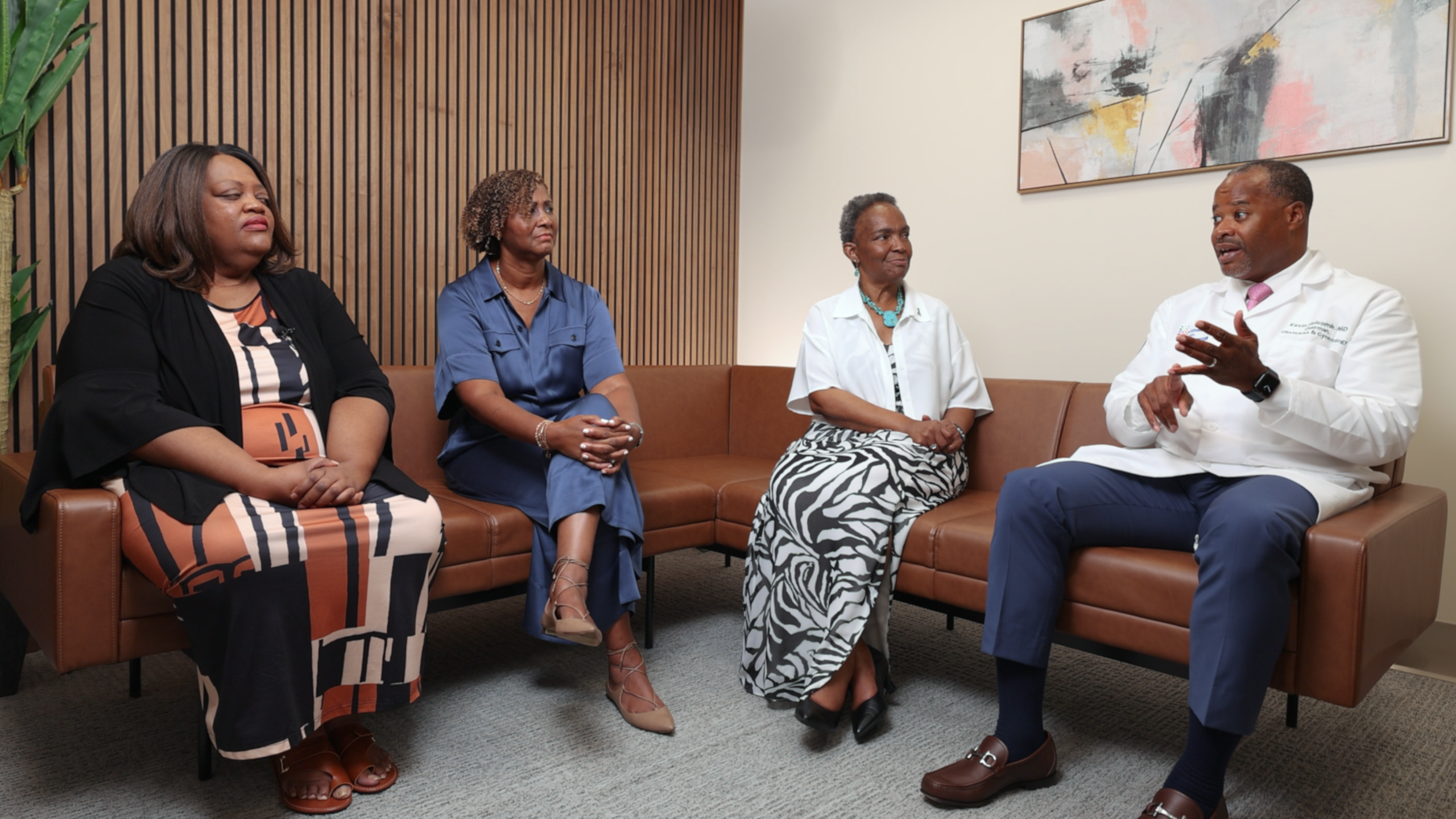
If your target audience is 40-year-old female executives in the DC area and your internal team does not include anyone who fits that profile, casting for the right fit makes sense. The viewer needs to see someone they identify with in order to feel like the message is for them. A commercial that features the wrong demographic, even if the message is strong, creates friction before the offer is even made.
The production needs to feel aspirational or high-end
Some brands and some offers benefit from a level of polish that professional talent provides. Luxury services, high-ticket products, and brands where perception is part of the value proposition often require talent to achieve the right tone. A wealth management firm in Northern Virginia, a high-end hospitality brand, or a premium product launch: these are contexts where professional talent reinforces the brand positioning rather than undermining it.
When Your Own Team Is the Better Choice
Authenticity is more valuable than polish
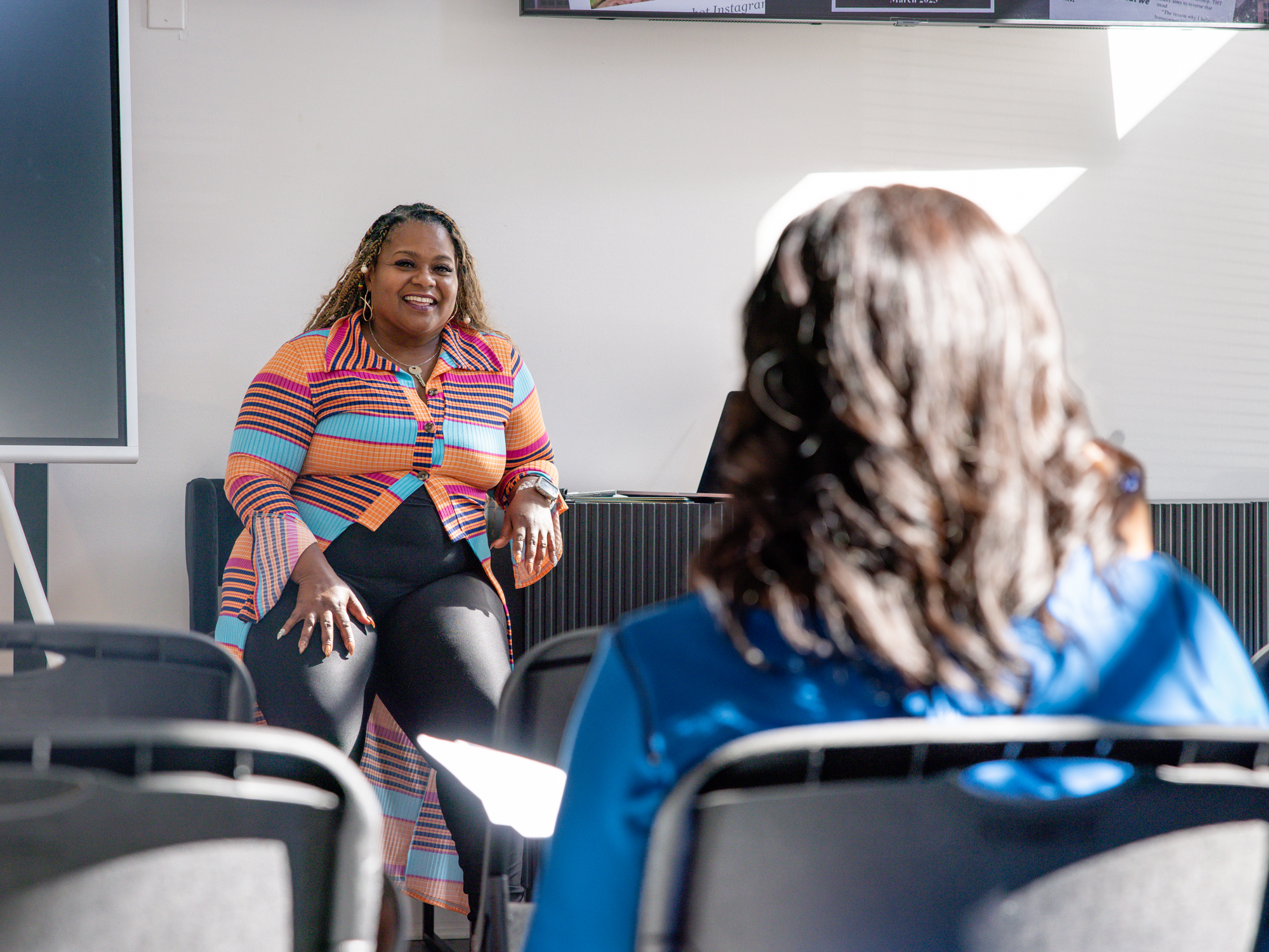
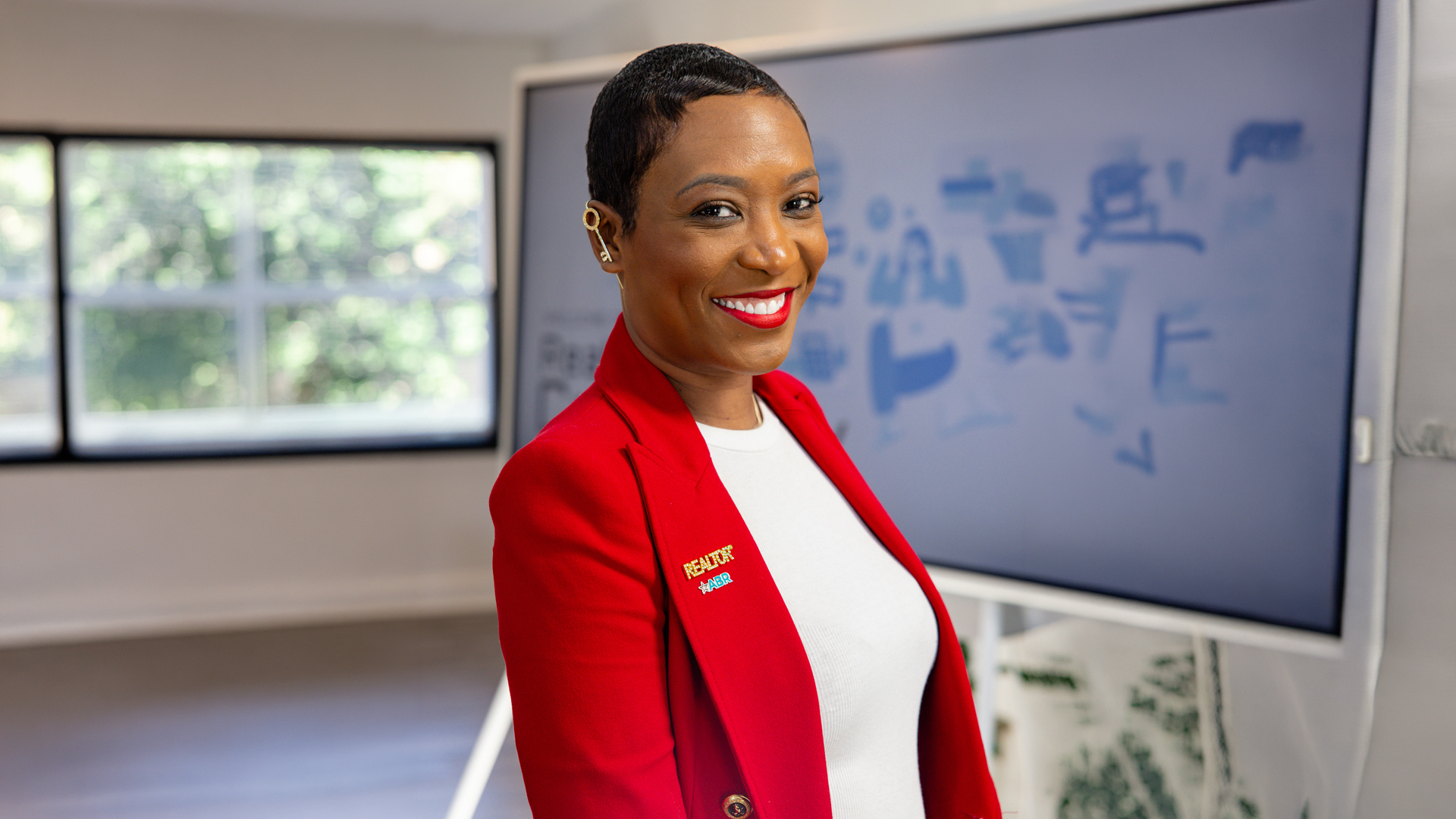
For service businesses, local companies, and B2B organizations where trust and relationships drive deals, a real person from your team speaking directly to camera almost always outperforms a professional spokesperson. The viewer can feel the difference between someone reading a script and someone who genuinely understands the work and believes in what they are saying.
A founder or team member who is slightly awkward on camera but clearly authentic will convert better in most cases than a polished actor delivering the same message. The awkwardness signals honesty. The polish signals performance.
The concept is direct-to-camera testimonial or founder-led
A direct-to-camera format where the founder or CEO explains the offer, shares a perspective, or speaks to the audience as themselves does not benefit from professional talent. In fact, it is undermined by it. The entire value of the format is the personal connection. Replacing that with a spokesperson turns a credibility play into a generic ad.
Budget is limited and the offer is straightforward
For local service businesses with simple offers and limited budgets, spending $2,000 to $4,000+ on talent for a 30-second ad rarely produces a proportional return. That budget is better spent on stronger creative, better placement strategy, or producing multiple variations to test. Your team on camera, filmed well and edited tightly, will perform just as effectively as a professional actor for most local service advertising.
When Voiceover Works Better Than On-Camera Talent
Voiceover solves a specific creative problem: you want narration without on-camera presence. This format works well when the visual story is strong enough to carry the ad on its own and the voice is there to guide rather than dominate.
Product demonstrations, process explainers, and b-roll-heavy narratives often work better with voiceover than with on-camera talent. The viewer’s attention stays on what is being shown rather than on who is speaking. For commercials where the work, the environment, or the result is more compelling than any spokesperson could be, voiceover is the more effective choice.
The trade-off: voiceover removes the personal connection that on-camera presence provides. That is fine when the goal is information or demonstration. It is a problem when the goal is trust.
The Hidden Cost of Talent: Usage Rights
Professional talent does not just cost money upfront. It comes with usage restrictions that affect how and where you can use the ad. Talent agreements specify where the ad can run, for how long, and in what markets. If you want to extend the campaign beyond the original terms or expand into additional platforms, you pay again.
For businesses that plan to run the same ad for six to 12 months across multiple platforms, those usage fees add up. A $2,000 talent fee can become a $5,000+ ongoing cost depending on how the usage terms are structured. That is not a reason to avoid talent. It is a reason to understand the full cost before committing to the approach.
How to Make the Decision for Your Specific Project
Professional talent makes sense if:
The concept requires acting, narrative, or character work. The ad needs a specific look or demographic that your team does not provide. The brand positioning benefits from a level of polish that only professional talent can deliver. You have the budget to cover talent fees and usage rights without compromising other parts of the production.
Your own team is the better choice if:
The format is direct-to-camera and founder-led. Authenticity and trust matter more to your audience than production polish. The offer is straightforward and local. Budget is limited and spending on talent would compromise the creative or placement strategy.
Voiceover works best if:
The visuals tell the story better than any on-camera presence could. The concept is a demonstration, walkthrough, or b-roll-driven narrative. You want narration without the cost and complexity of on-camera talent.
Testing Before You Commit to Talent
If you are uncertain whether professional talent will improve your results, the smartest approach is to test both. Produce one version with talent and one version with your team on camera. Run them as separate campaigns to the same audience and track cost per lead and conversion rate.
The data will tell you which format works better for your specific offer and audience. That becomes your default approach for future campaigns, and you stop guessing about whether talent is worth the investment.
Ready to Build a Commercial That Actually Converts?
At Ankrah Studios, we help businesses in Washington DC, Northern Virginia, and Maryland decide the right format and the right voice for their commercial before production begins. If you want to scope your first campaign, start here: