Multi-camera event recording is one of those production choices that sounds impressive but does not always make the outcome better. Used in the right context, it transforms the quality and usefulness of your event footage. Used in the wrong one, it adds cost and complexity without adding anything a viewer would notice.
For event planners and organizations in DC, Maryland, and Northern Virginia, the decision comes up on almost every conference, panel, and summit. This post gives you a clear framework for making it: when multiple cameras genuinely improve the result, when a single skilled operator is enough, and what makes multi-camera coverage actually look professional once it is in the edit.
https://ankrahstudios.com/services/event-video-coverage/
When Multi-Camera Recording Is Worth the Investment
You need professional recordings of speakers or panels
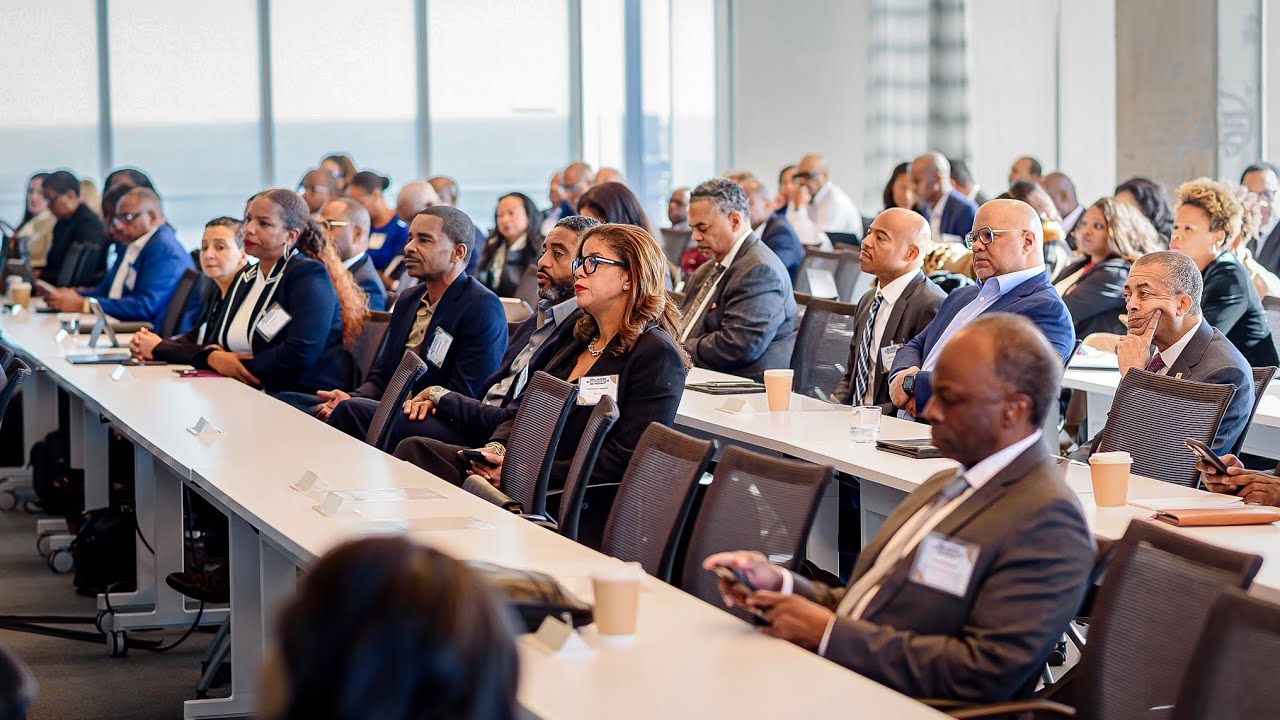
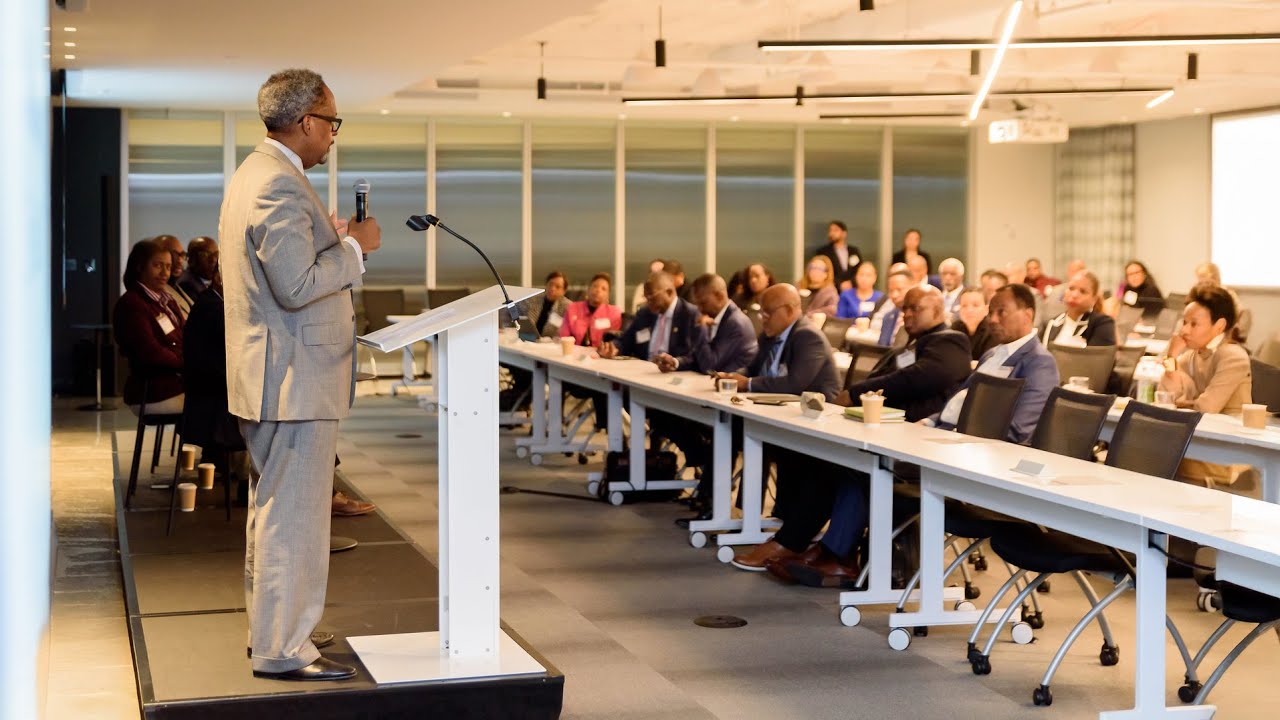
A single-camera recording of a keynote or panel can work, but it forces a creative trade-off: either the camera stays wide to capture the whole stage and loses intimacy, or it moves to tighter shots and misses reactions, slide transitions, and context. Two cameras eliminate that trade-off. One stays wide to capture the full stage and establish context. One gets tight on speakers and captures the moments that actually hold attention in the edit. That combination is what makes a speaker recording look like a professional production rather than a documentation of an event.
There are multiple speakers or frequent audience interactions
A single moderately sized panel with three speakers and an audience Q&A segment is almost impossible to cover well with one camera. The person asking the question, the panelist responding, the moderator bridging, the audience reaction: these are all happening in different parts of the room at the same time. Multi-camera coverage means the editor has the material to tell that story. Single-camera coverage means a significant amount of the actual event does not exist in the footage.
You want both full recordings and highlight content from the same shoot
If the event needs to produce both complete session recordings for replay or distribution and a highlight reel for social and marketing use, multi-camera coverage gives the editor enough material to serve both goals. Single-camera footage of a stage can produce a usable session recording or a usable highlight clip, but rarely both at the level of quality that makes either format competitive.
When Multi-Camera Is Overkill
You only need a 60 to 90 second recap
If the deliverable is a social media highlight reel and nothing more, a single skilled operator with a clear shot list will produce everything you need. Multi-camera coverage is about editorial flexibility in post. If the edit is a 90-second sizzle with music, cutaways to crowd reactions, and a few strong speaker moments, one camera that covers the event with intention produces the same result at lower cost.
The event is primarily networking with no stage program
Networking events, receptions, and social gatherings without a structured program or stage element rarely benefit from multi-camera setups. The coverage goal is human moments, environmental context, and energy. One camera operator who moves through the space with a clear eye for those elements will capture more useful footage than a multi-camera rig pointed at a room full of people having conversations.
The venue is small and the schedule is simple
A 50-person panel in a DC conference room with one speaker and no Q&A does not require multi-camera coverage to look professional. A single well-positioned camera with a proper audio solution will produce a usable, high-quality recording. Adding cameras to a simple setup adds cost and logistics without improving the outcome.
What Makes Multi-Camera Coverage Actually Look Professional
Multi-camera recording only produces a professional result when two things are handled correctly: audio and camera placement. Either issue, handled poorly, negates the benefit of having multiple cameras.
Audio
The most common failure point in event recording is audio. A board feed from the venue’s PA system, a dedicated lavalier on the primary speaker, or a well-positioned boom for panel discussions: the right solution depends on the event structure and venue setup. What is never acceptable is relying on in-camera microphones on any of the cameras. In-camera audio at a live event produces footage that is technically multi-camera but practically unusable for anything beyond background reference.
Camera placement
The standard three-camera configuration that works for most DC-area conference and panel recordings: a locked wide on the full stage or panel, a tight camera on the primary speaker or active panelist, and a third camera for cutaways including audience reactions, slide capture if slides are a meaningful part of the presentation, and sponsor elements if applicable. Each camera has a defined role. No redundancy, no gaps.
Slide capture deserves specific mention. If a speaker’s presentation includes data, charts, or visual content that supports their argument, a clean capture of those slides dramatically increases the usefulness of the recording. It requires either a dedicated camera on the screen or a direct feed from the presentation laptop. Planning for this in pre-production is far easier than trying to solve it on the day.
Deliverables That Justify Multi-Camera Coverage
Multi-camera coverage makes the most sense when you are planning to produce more than one deliverable from the same event. A full keynote or session recording branded and cleaned for distribution. Individual speaker clips edited to 30 to 90 seconds for LinkedIn or your website. A 60 to 90 second event highlight reel for social media. Sponsor highlights or partner acknowledgment clips if applicable.
Planning those deliverables before the event changes how coverage is approached on the day. A team that knows it is producing five distinct deliverables from one event will cover it differently, and more usefully, than a team told to capture as much as possible and figure it out in post.
Planning Coverage for Your Next Event in DC?
At Ankrah Studios, we cover conferences, panels, summits, and galas across Washington DC, Maryland, and Northern Virginia with coverage plans built around the specific deliverables the event needs to produce. If you want to figure out the right approach for your next event, start here: