The assumption that studio automatically means higher quality is one of the more persistent myths in commercial production. Studios give you control. On-location shoots give you context. Neither is inherently better than the other, and choosing the wrong one for your specific concept is a meaningful creative mistake.
In the DC and Northern Virginia market, this decision comes up on almost every commercial project. The environment where your ad is filmed communicates something to the viewer before a single word is spoken. What it communicates needs to serve your goal, not just your aesthetic preference.
https://ankrahstudios.com/services/commercial-advertising/
What a Studio Environment Actually Gives You
A studio shoot puts full control in your hands. Lighting is built from scratch to match the exact look you want. Audio is clean because the environment is designed to minimize room noise. Backgrounds are intentional: seamless paper, architectural elements, or a set built specifically for the concept. There are no surprises from HVAC systems, incoming calls, or a window that backlights your subject at 2pm because nobody scouted the room in the afternoon.
That control has real value in specific situations. When the look of the ad needs to match a brand standard precisely. When you are filming multiple spokespeople in a single day and need consistency across all of them. When the real environment is too visually cluttered, too loud, or too logistically complicated to work with efficiently. When the concept is abstract enough that a real location would add noise rather than meaning.
What On-Location Filming Actually Gives You
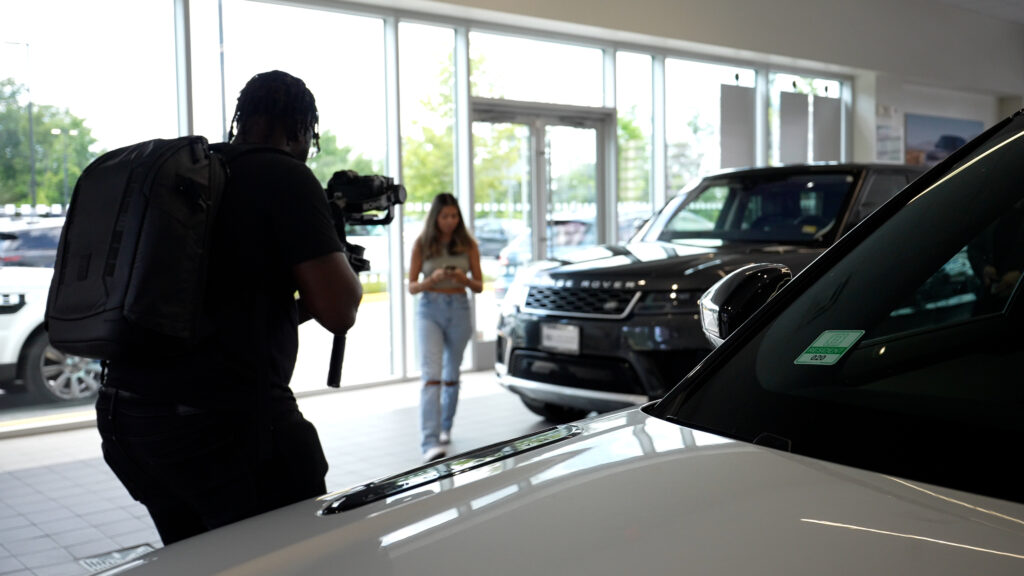
On-location filming gives you proof. When your environment is part of what you are selling, showing it is more persuasive than describing it. A law firm that films in its actual DC office, a contractor that films at a real job site in Northern Virginia, a clinic that films in its actual treatment space: these environments communicate scale, legitimacy, and authenticity that no studio backdrop can replicate.
On-location also tends to feel more credible to the specific audience you are trying to reach. If your buyer knows what a real version of your environment looks like, a studio approximation is going to register as slightly off, even if they cannot articulate exactly why. The real thing, filmed well, consistently earns more trust from that audience.
The Honest Trade-offs
Studio
Predictable cost and schedule. No location logistics to manage. Full control over every visual variable. Requires renting the space, which adds a line item. Can feel disconnected from your actual business if the concept does not justify the abstraction. Works best for direct-to-camera formats, product-focused spots, and campaigns that need visual consistency across multiple executions.
On-location in the DMV
Lower cost when the location is already available. Stronger credibility signal when the environment is relevant to the offer. Real logistical variables to manage: parking for a crew near Capitol Hill or in Bethesda, building access that sometimes requires advance vendor registration, noise from street traffic or HVAC systems that needs to be controlled before the shoot. On-location shoots require more pre-production attention to succeed. When that attention is given, the results are frequently better than a studio alternative would have been.
The DC-Area Location Consideration
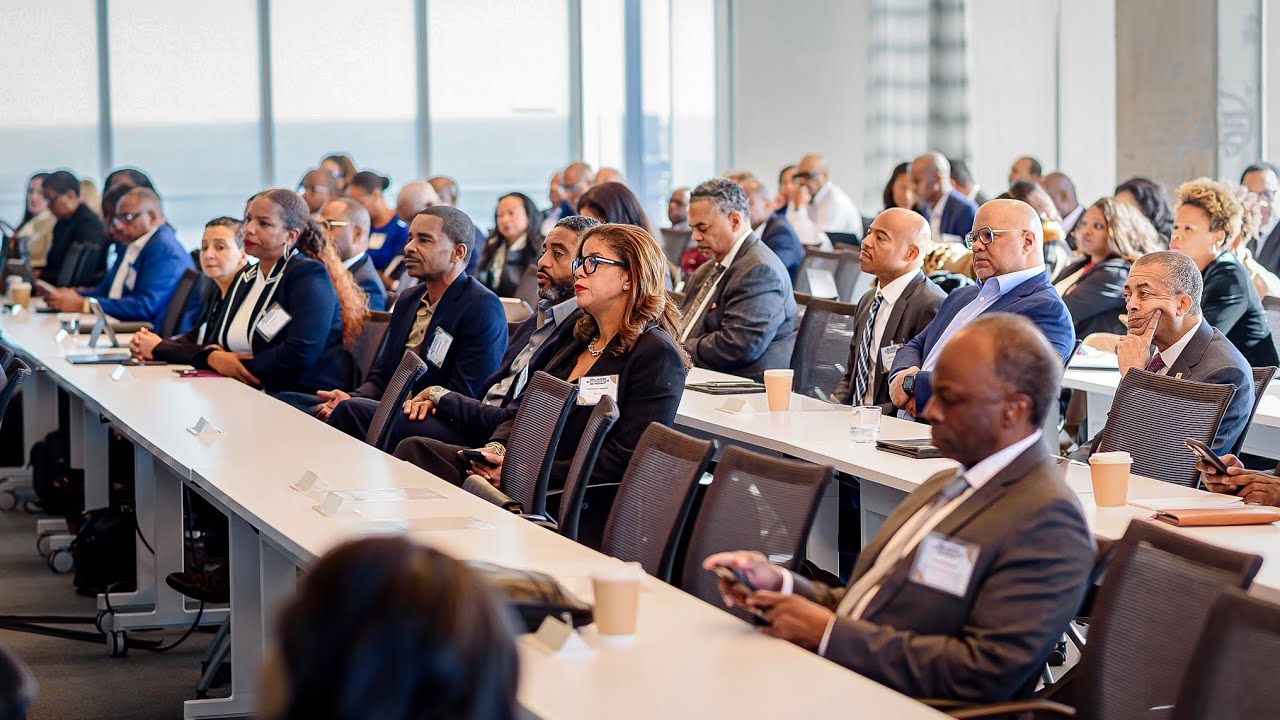
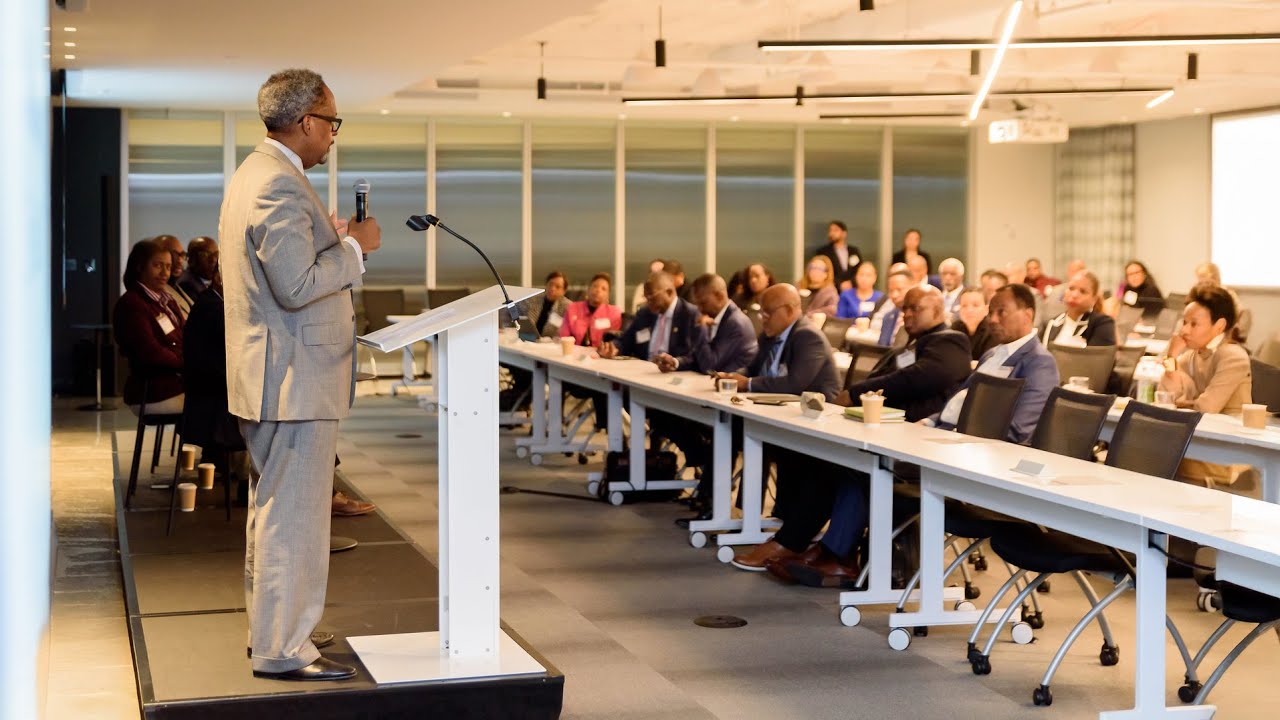
Filming in Washington DC and Northern Virginia adds specific variables that are worth planning around explicitly. Interior office locations in DC proper often require advance notice for outside vendors, sometimes 48 hours or more. Exterior locations near federal buildings and the National Mall require permits even for modest productions. Traffic noise and foot traffic near busy corridors in Arlington, Georgetown, and downtown DC affect shooting windows.
None of these are prohibitive. They are reasons to plan earlier than feels necessary and to work with a production team that has navigated these logistics in this specific market before. A team that encounters these variables for the first time on shoot day will lose hours managing them.
The Hybrid Approach That Often Works Best
Many of the most effective commercials in the DC market use a hybrid structure: a studio environment for the primary spokesperson or product-focused elements where control and consistency matter, and on-location b-roll that provides the real-world context that makes the claim credible.
The spokesperson delivers their message cleanly in a controlled environment. The b-roll shows the real operation, the real team, the real results. The viewer gets the best of both: a professional, consistent presentation paired with authentic proof that the business is real and the capability is genuine.
Planning for this structure from the start of pre-production almost always produces a better result than committing to one approach and trying to compensate for its weaknesses with the other in the edit.
How to Make the Decision for Your Specific Project
Start with the question of what the environment needs to communicate. If your location is irrelevant to the message or would distract from it, studio gives you a cleaner canvas. If your location is evidence of your capability or credibility, on-location is almost always the stronger choice.
Then consider the practical variables: the budget for location rental, the logistics of the real environment, the timeline available for scouting and pre-production, and whether the concept can absorb the visual complexity of a real location or needs the simplicity of a controlled space.
Most decisions become clear when those two questions are answered honestly. When they do not, the right answer is usually hybrid.
Let’s Figure Out What Your Commercial Needs
At Ankrah Studios, location decisions are part of the pre-production conversation, not an afterthought. If you are working on a commercial in Washington DC, Northern Virginia, or Maryland and want a team that thinks through these decisions before the shoot day, start here: